
Licences & Permissions
Practical support for filming licences and permissions on the River Thames
Livett’s helps production teams navigate the licences, permissions, approvals, and stakeholder requirements involved in filming on the River Thames.
We do not issue these permissions ourselves. However, we do have extensive experience working with the Port of London Authority and other river stakeholders, and we help productions understand what is likely to be required, who needs to be involved, and how to put forward a proposal that is practical, realistic, and properly supported from a marine point of view.
In many cases, that means helping strengthen the proposal before it is submitted.
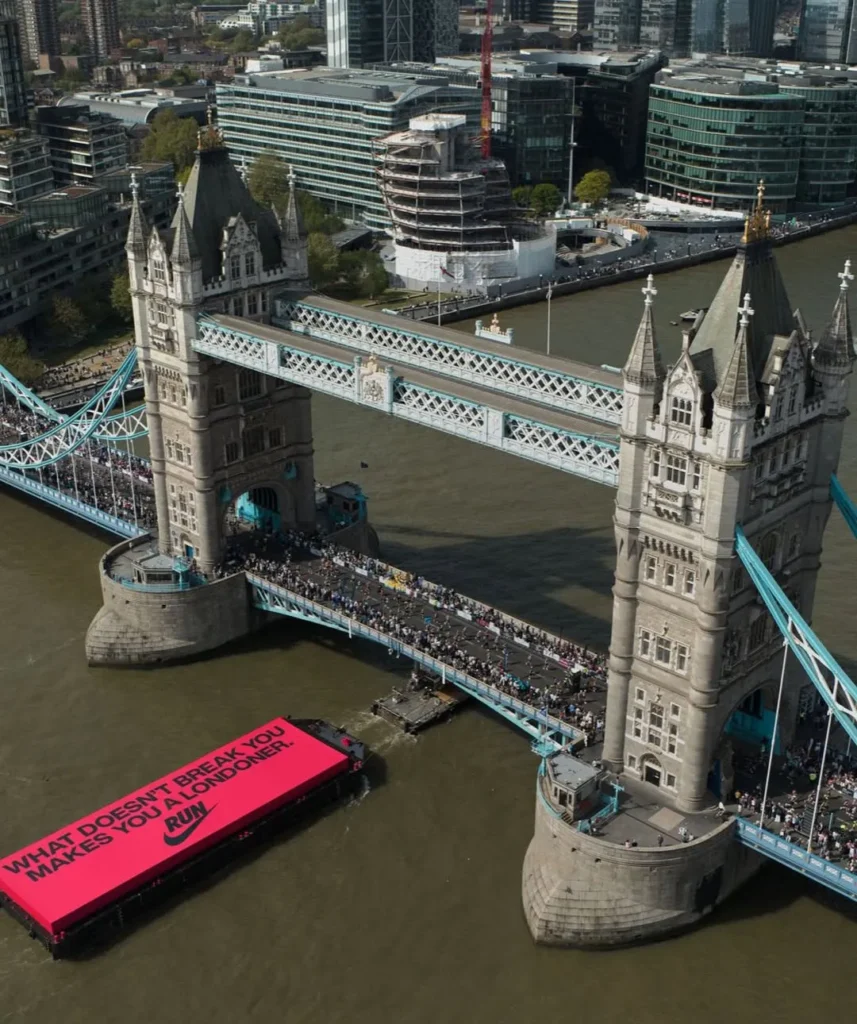
Filming on the Thames involves far more than simply hiring a boat and turning up on the day. Depending on the nature of the shoot, permissions may be needed for vessel activity, drone filming, river closures or restrictions, access to piers and moorings, foreshore use, filming near bridges, working in busy navigational areas, or carrying out more complex sequences on the water.
Thanks to our extensive experience in supporting more than 500 productions on the river, we can help clients approach the permissions process in an informed and organised way.
That can include helping productions identify the right authorities and stakeholders, shaping practical marine plans, supporting risk assessments and method statements, and making sure proposals are realistic before they are submitted.
What we can help with
Understanding what permissions may be needed
Different types of filming activity on the Thames can involve different requirements. We help productions understand at an early stage what approvals, permissions, licences, consents, or stakeholder engagement may be needed depending on the brief, location, and scale of the activity.
Working with the Port of London Authority
The Port of London Authority (PLA) plays a central role in the management of the tidal Thames, and many productions filming on or near the river will need to consider PLA requirements. Livett’s has extensive experience working with the PLA and helping productions prepare proposals that take marine operations, navigational safety, timings, and practical delivery into account.
Liaising with other relevant river stakeholders
Depending on the shoot, other organisations and stakeholders may also need to be involved. That can include pier operators, local authorities, landowners, bridge stakeholders, mooring operators, event teams, marine contractors, or others connected to the relevant stretch of river or riverside location. We help productions identify who may need to be consulted and how the marine side of the proposal should be presented.
Strengthening filming proposals before submission
One of the most valuable things we do is help productions shape proposals before they are submitted. By reviewing what is being proposed from an operational point of view, and by helping clients think through the practical realities of the river, we can help make applications and permission requests stronger, clearer, and more credible.
Marine plans, risk assessments, and method statements
Where needed, we can support productions with the practical marine planning that often underpins permission requests. This may include marine plans, vessel movement plans, risk assessments, operational method statements, working procedures, access planning, safety arrangements, and other supporting information needed to show how the filming activity can be delivered safely and realistically.
This kind of preparation can make a significant difference to how clearly the proposal is understood by the relevant stakeholders.
Permissions support for more complex shoots
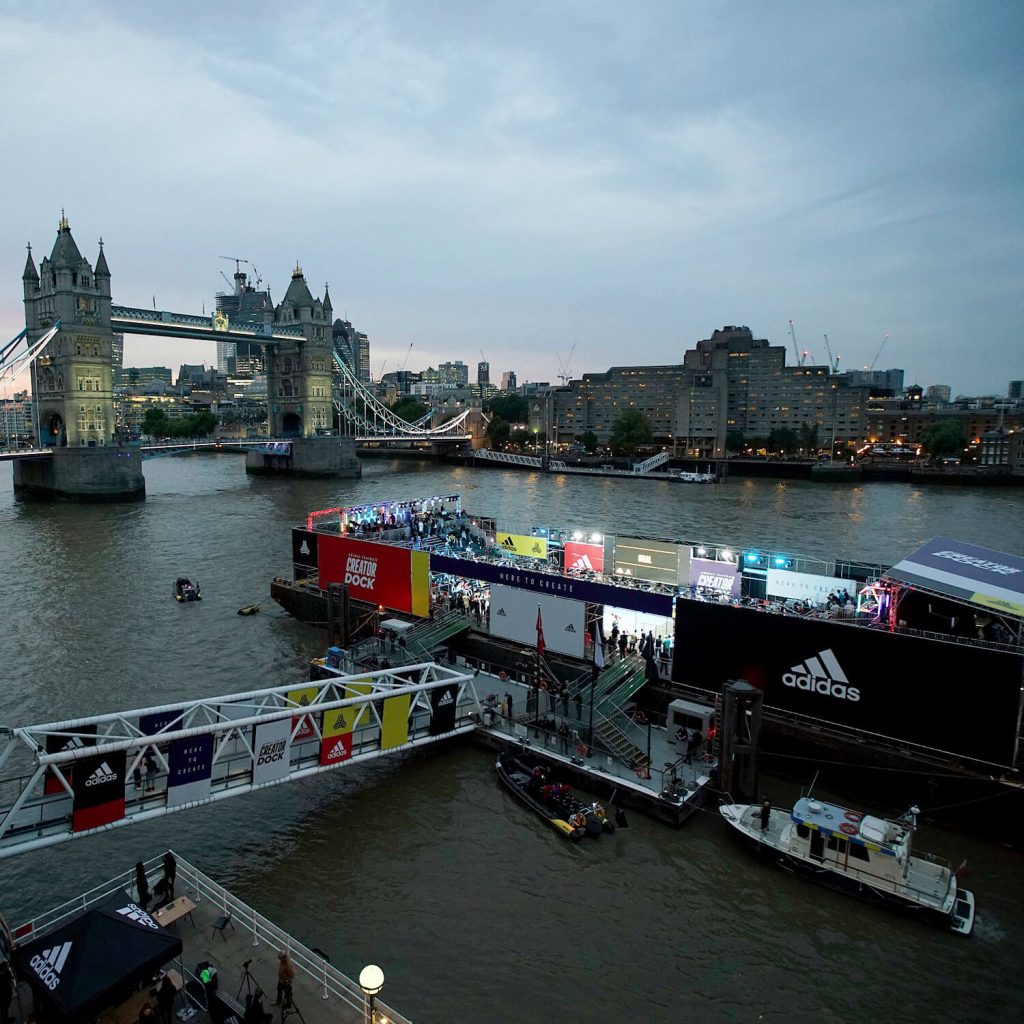
More complex productions may require a higher level of preparation and stakeholder coordination – for example shoots involving multiple vessels, drones, stunts, specialist action, live events, talent on the water, restricted areas, or unusual access requirements. We help productions prepare for technically demanding shoots on the Thames and support the permissions process around them.
Joined-up support with wider filming services
Permissions and approvals work best when they are tied into the wider operational plan. We can combine permissions support with expert marine coordination, safety planning, camera boats, drone platforms, picture boats, stakeholder liaison, and wider filming logistics – helping productions manage the whole shoot in a joined-up way.
Licences and permissions for a wide range of filming requirements
The permissions required for filming on the Thames can vary significantly, depending on what is being filmed, where it is taking place, and how the marine operation is structured.
We can support your applications with:
- Guidance on whether your shoot is likely to require PLA approval
- Help understanding who needs to be consulted for filming on a particular stretch of the Thames
- Support preparing a stronger marine proposal before submission
- Input into risk assessments, marine method statements, or working procedures
- Help coordinating permissions for drones, vessel movements, access points, or more complex river activity
- A joined-up partner who can connect permissions planning with the practical delivery of the shoot
Whatever your production needs, Livett’s helps clients approach licences and permissions on the River Thames in a more informed, realistic, and operationally sound way.
What good permissions support looks like in practice
Securing permissions for filming on the Thames depends on whether the proposal is clear, realistic, well planned, and supported by the right operational thinking.
That is why productions often benefit from experienced marine input before anything is submitted.
In practical terms, permissions support can include:
- Reviewing the filming brief from a marine and operational point of view
- Identifying likely authorities, river stakeholders, landowners, and affected parties
- Advising on what supporting information may be required
- Helping shape marine plans, risk assessments, and method statements
- Making sure vessel use, access, timings, and safety arrangements are realistic
- Highlighting issues early so the proposal can be improved before submission
- Supporting wider stakeholder liaison where the shoot is more complex
The aim is not simply to submit paperwork; it is to help productions put forward a thorough proposal that gives the best possible chance of being understood, supported, and approved.
Why production teams choose Livett’s for licences and permissions support
Extensive experience with Thames filming approvals
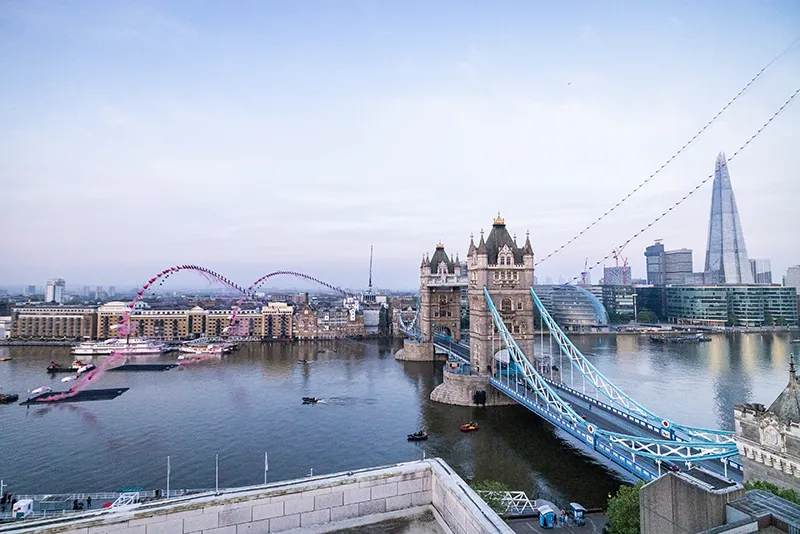
We have decades of hands-on experience helping productions work through the permissions and approvals needed to film on the Thames. This matters because the strongest proposals are usually those shaped by people who understand how filming works on the river in practice.
Strong working knowledge of the Port of London Authority environment
We understand the operational realities of filming on the tidal Thames and have extensive experience working with the Port of London Authority. That means we can help productions understand what the PLA and other stakeholders are likely to need to see from the marine side of the proposal, and how to present a plan that is practical, realistic, and properly thought through.
Practical proposals, not just paperwork
Our value is in helping productions shape proposals that are operationally realistic, safely planned, and supported by the right marine logic. That is often what gives a request the best chance of progressing smoothly.
Connected to wider marine planning and safety
Permissions are closely linked to safety, vessel planning, access, timings, and how the shoot will actually operate on the water. Because Livett’s also provides marine coordination and marine safety support, we can help make sure those elements are properly joined up.
Trusted by production teams on complex shoots
Where productions are dealing with more ambitious or technically demanding briefs, experienced permissions support becomes even more valuable. Having supported a wide range of productions on the Thames, including large-scale and logistically complex shoots, we bring practical judgement built over many years on the river.
How we work
1. Understand the brief
We start by understanding what is being filmed, where it is happening, what activity is proposed on or near the river, and what the production is trying to achieve.
2. Identify the likely permissions pathway
We help the production understand what permissions, approvals, stakeholder engagement, or supporting information may be needed based on the nature of the shoot.
3. Shape the marine proposal
Where needed, we help develop the marine side of the proposal so it is realistic, properly planned, and supported by the right documentation and operational thinking.
4. Support the process through to filming
We can help productions liaise with the right people, respond to practical questions, refine the plan where needed, and then deliver the marine coordination, safety, vessels, and on-water support required for the shoot itself.





River Thames filming licences and permissions FAQs
Do Livett’s issue filming licences or permissions?
No, Livett’s does not issue filming licences, permissions, or formal approvals. Those come from the relevant authorities, stakeholders, landowners, or river bodies depending on the nature of the shoot. What we do provide is experienced guidance on the process and practical support to help productions put forward stronger, more realistic proposals.
Can you help with Port of London Authority permissions?
Yes. We have extensive experience helping productions understand and work through PLA-related requirements for filming on the Thames. We can help clients prepare the marine side of the proposal and connect with the right people where needed.
Can Livett’s help improve the chances of securing permissions?
We cannot guarantee approvals, but we can help improve the quality, realism, and completeness of the proposal. That may include helping productions think through vessel activity, safety planning, access, timings, risk assessments, and supporting documentation so the request is stronger before it is submitted.
How early should we start the permissions process?
As early as possible. The more complex the shoot, the more important it is to start discussions early so there is enough time to identify the likely requirements, prepare the right supporting information, and engage the relevant stakeholders properly.
Can you help with risk assessments and method statements?
Yes. Where needed, we can support productions with practical marine input into risk assessments, method statements, vessel plans, access planning, safety arrangements, and the wider operational setup for the shoot.
Do you only help with permissions on the River Thames?
The Thames is one of our core areas of expertise, but our wider marine film services are also available across the UK and internationally where required. The exact permissions landscape will vary by location, but we can support productions more widely depending on the brief.
Can permissions support be combined with other Livett’s filming services?
Yes. Permissions support can be combined with marine coordination, safety boats, camera boats, drone platforms, picture boats, stakeholder liaison, and wider filming logistics, allowing productions to deal with the job in a joined-up way.

Need help with licences and permissions for filming on the Thames?
If your production is planning to film on or near the River Thames, the licensing and permissions process is much easier when the marine side of the job is thought through properly from the start.
We can help you understand the likely requirements, connect you with the right stakeholders, strengthen the marine proposal, and support the planning needed to give your production the best possible chance of securing the permissions and approvals it needs.
Speak to Livett’s about licences and permissions for your Thames shoot: